Mosaic: A Wellness App for Wellesley POC
Designing an app for POC navigating holistic wellness on Wellesley’s campus
Context
Mosaic is a wellness application designed to support students of color at Wellesley College in maintaining their mental, emotional, and social well-being. The app aims to create a sense of community, provide accessible self-care tools, and centralize wellness-related campus resources.
Roles
Design Research, UX Design
Timeline
2023 / 3 months
Tools
Figma
Collaborators
Maria Vitória Moura Cabrera & Vivi Jimenez
Problem Statement
Wellesley students of color often face unique challenges balancing rigorous academic demands with the pressures of navigating predominantly white institutions. Many struggle to find time and space to care for their holistic wellness, leading to burnout, social isolation, and decreased access to culturally relevant support.
Project Goals
Build community: Allow users to create and participate in discussion forums around shared experiences and interests.
Enhance awareness: Provide curated access to campus events, support offices, and wellness initiatives.
Encourage self-care: Enable users to set reminders, bookmark events, and receive motivational content tailored to their needs.
Final Prototype
User Research
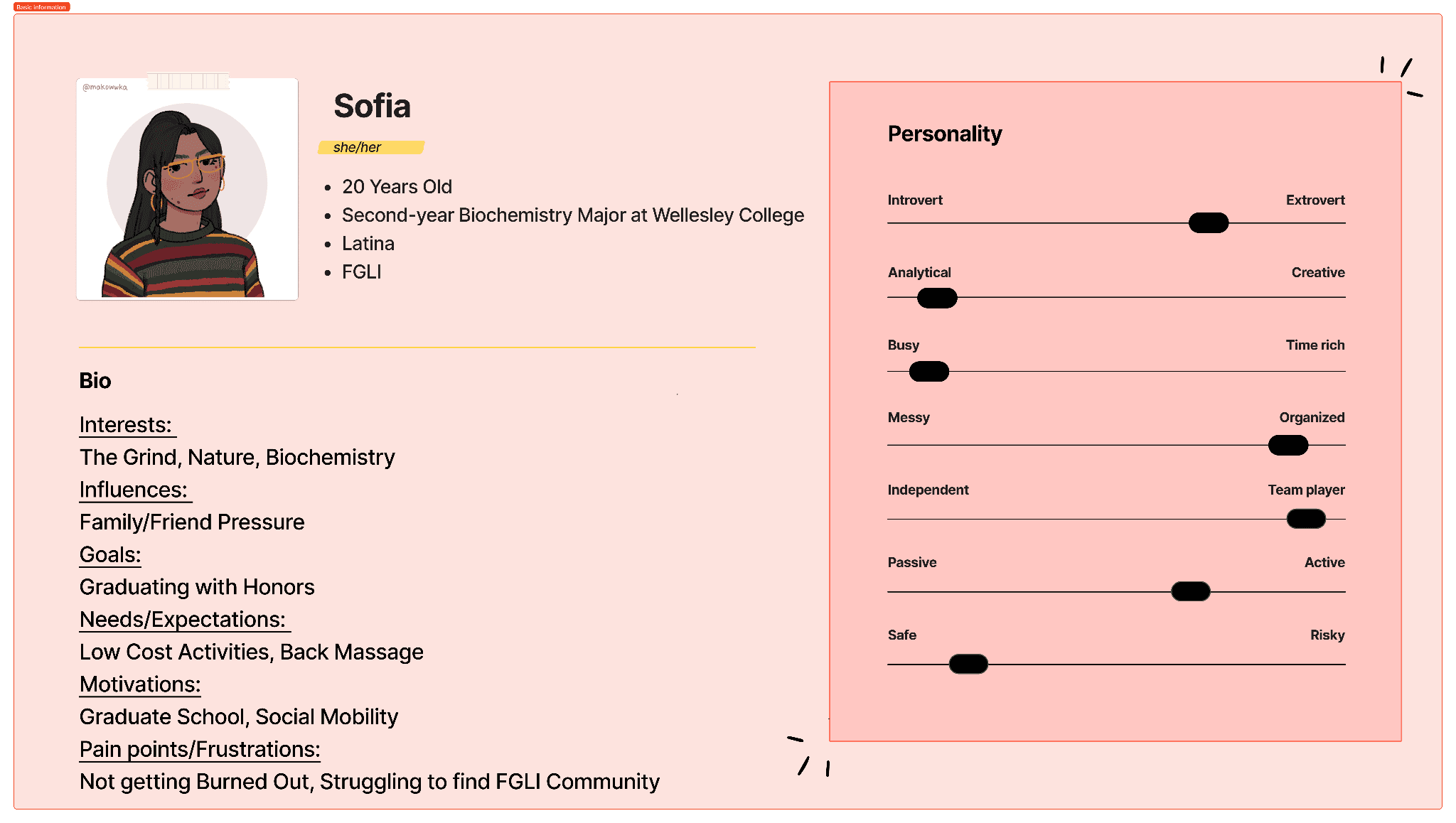
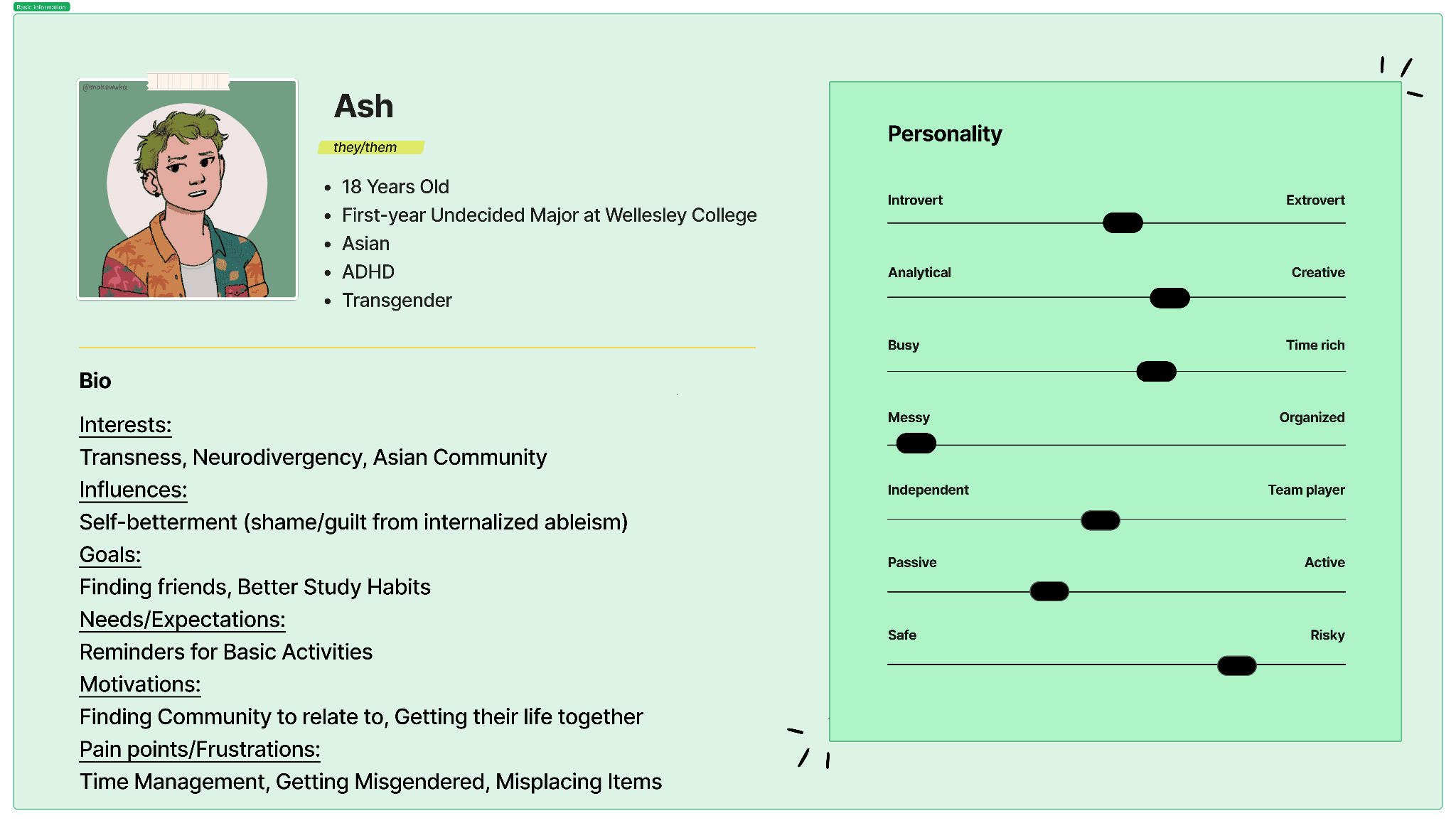
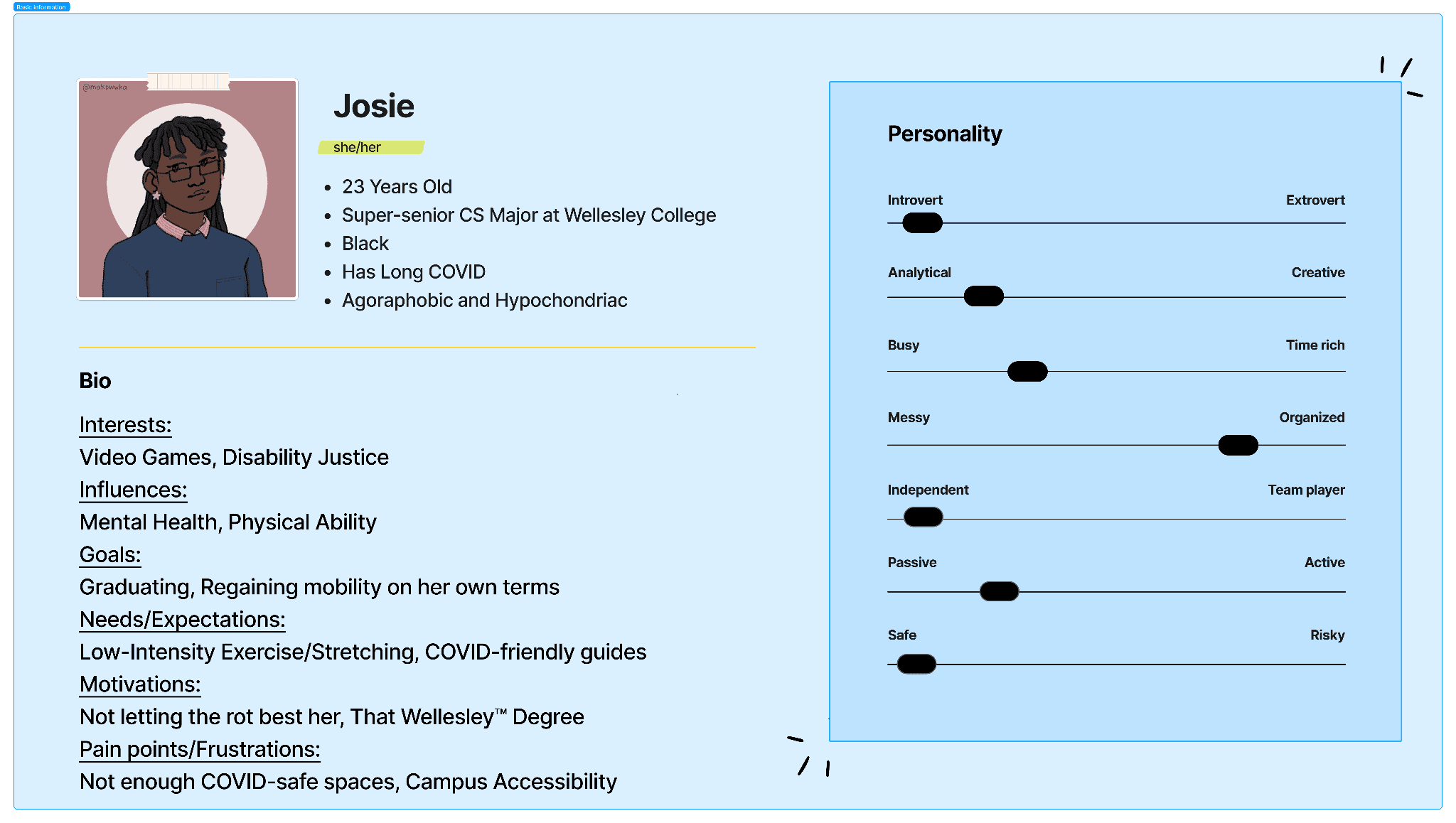
Through interviews and empathy mapping, we identified three representative personas reflecting common student needs and motivations:
Sofia: A second-year student balancing coursework with financial stability who is seeking community.
Ash: A first-year balancing coursework with personal well-being and getting their bearings at school.
Josie: A senior student looking to connect with other students of color and find COVID-safe wellness spaces.
Each persona guided user flow decisions and informed app features to balance usability, accessibility, and inclusivity.
Core Features
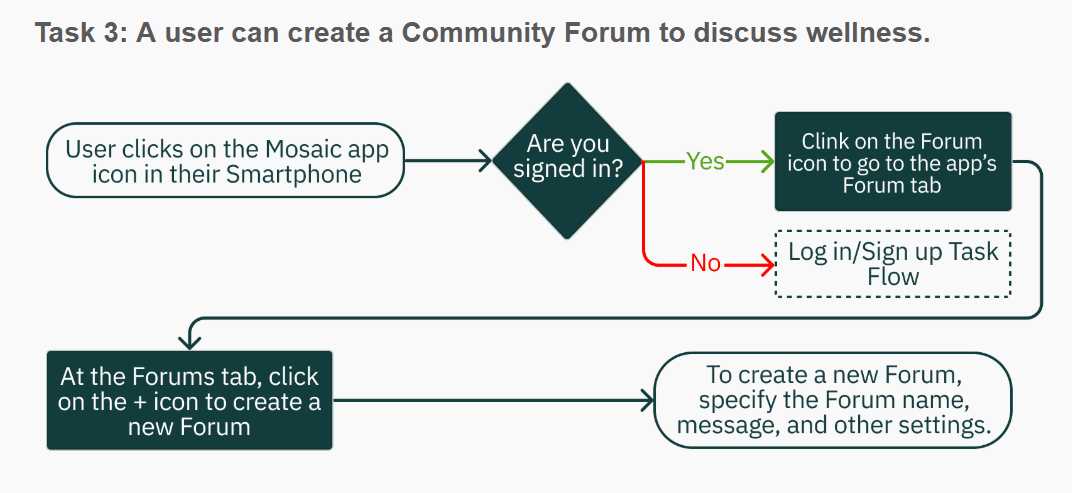
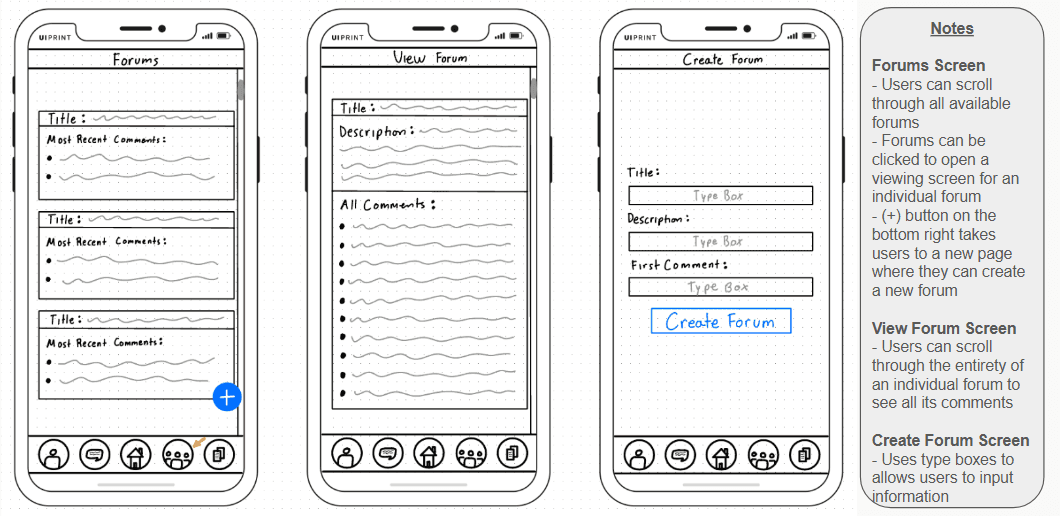
Community Forums
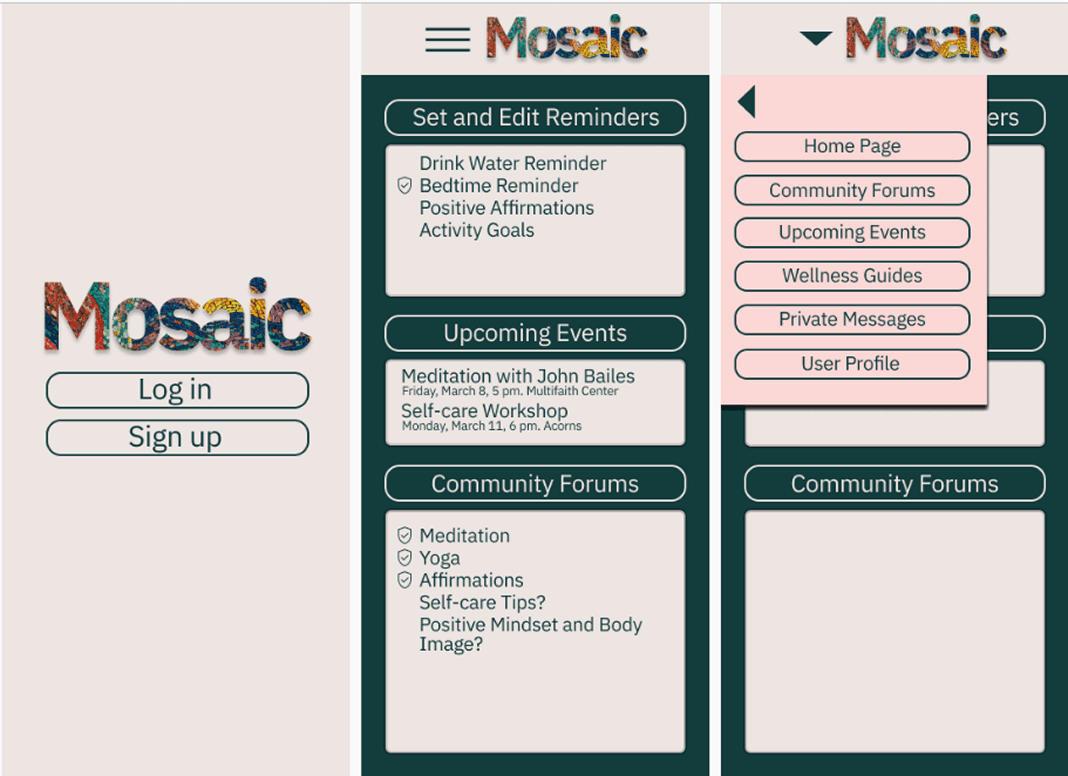
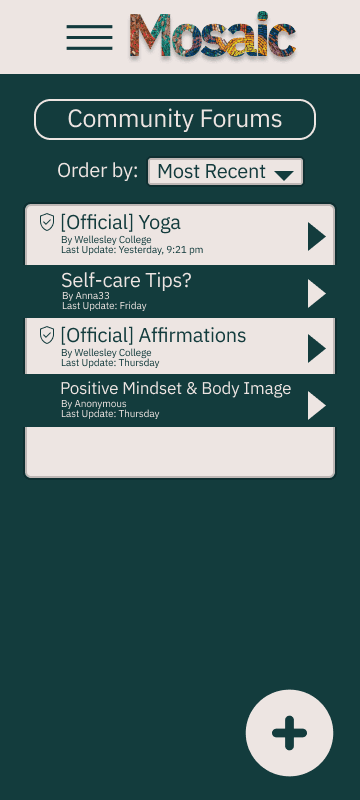
Users can join or create forums around identity-based or interest-based topics. Anonymous participation fosters open, judgment-free conversations.
Campus Events Integration
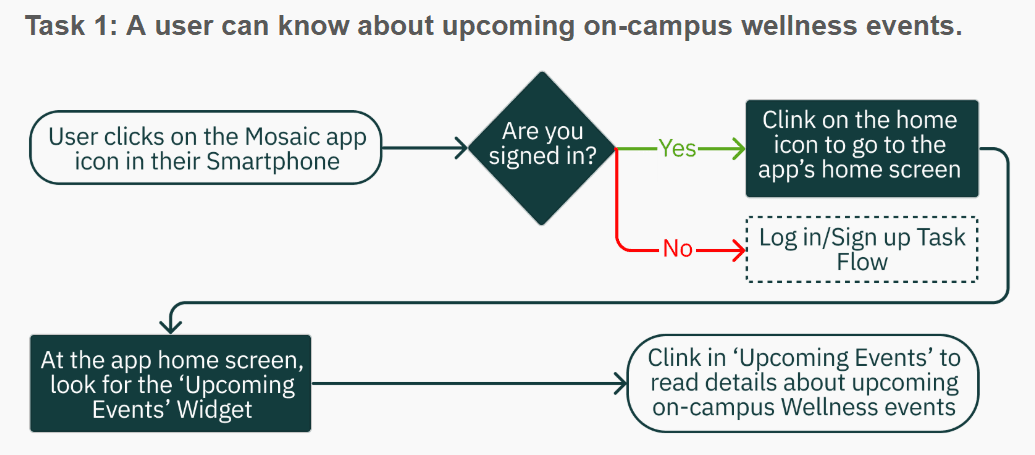
A built-in feed connects users to Wellesley’s cultural, wellness, and social events. Each event can be favorited or added to external calendars for reminders.
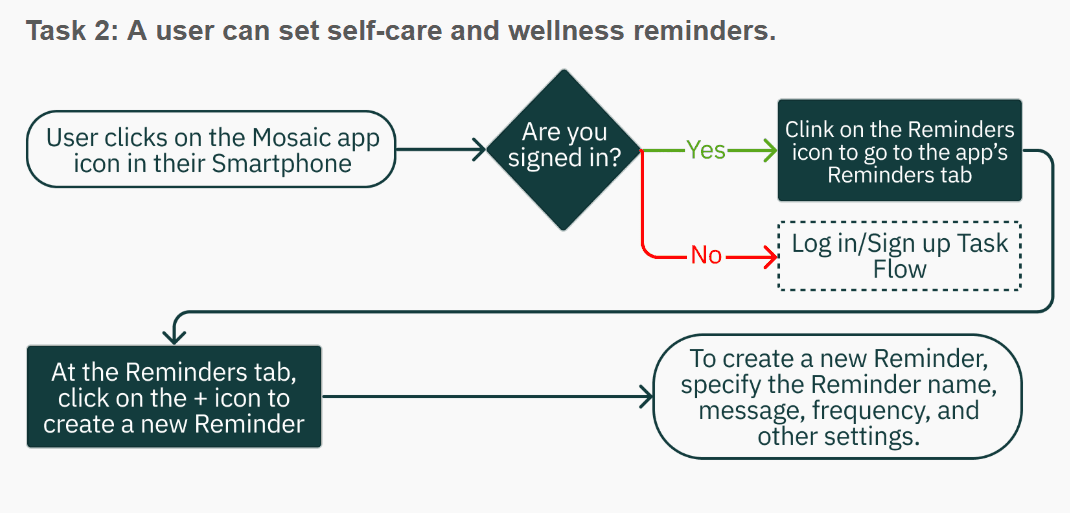
Wellness Reminders
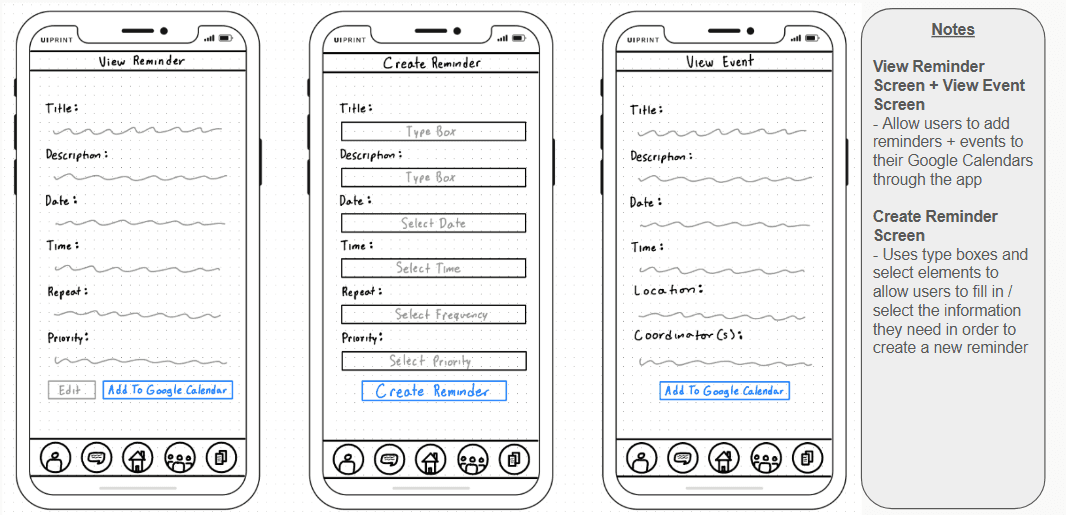
Users can set personal self-care reminders or use pre-designed templates (e.g., hydration breaks, mindfulness pauses).
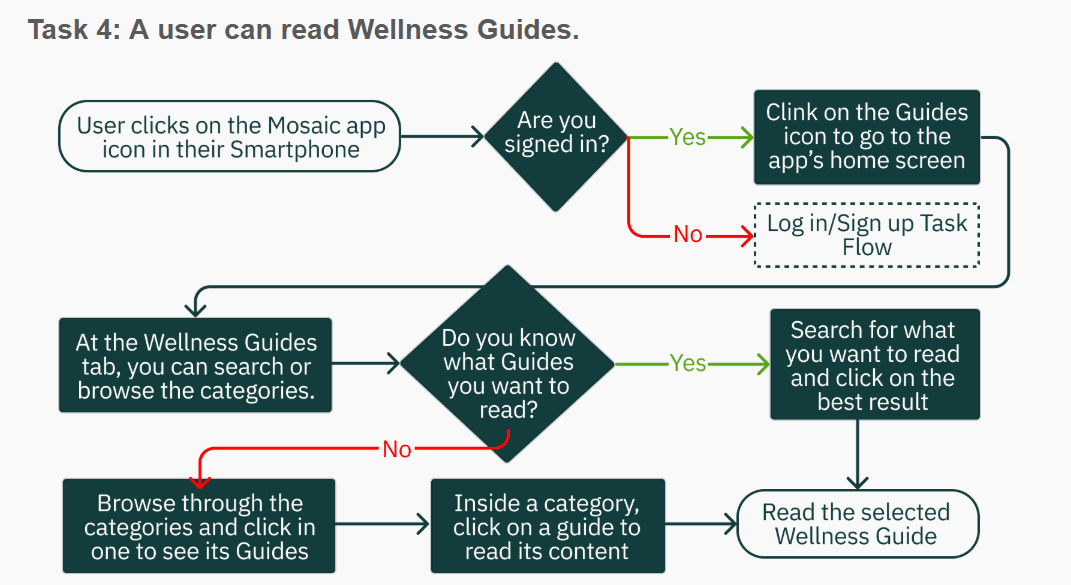
Resource Hub
Provides a directory of faculty and administrative wellness contacts, empowering students to reach out for formal support when needed.
Wireframing
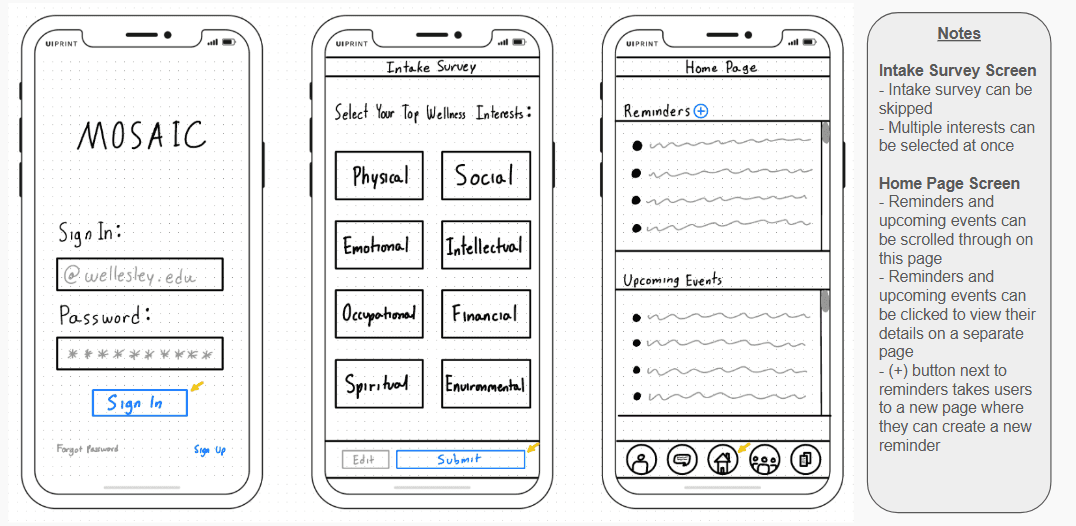
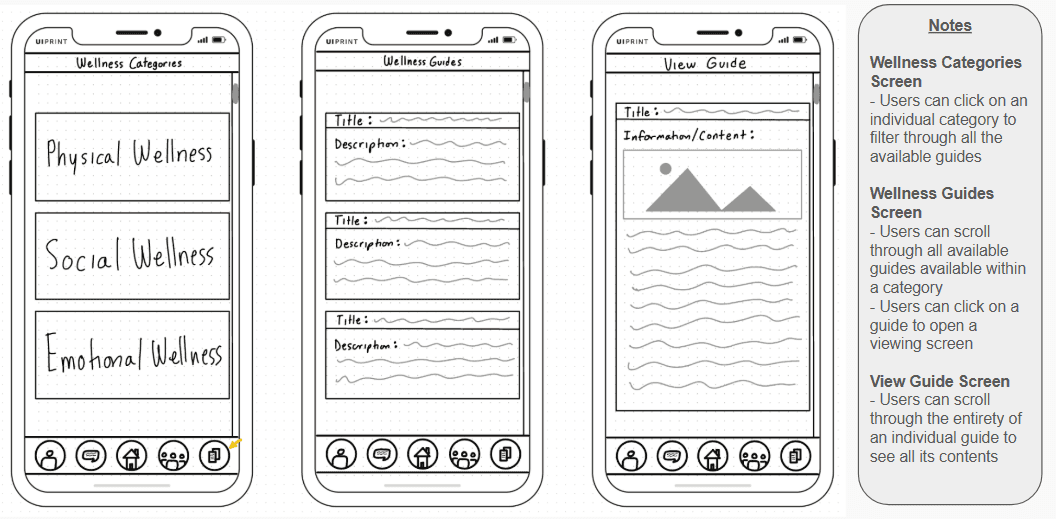
Initial prototypes focused on three core tasks:
Creating or joining a forum and posting a message.
Favoriting an event and setting a reminder.
Exploring resources and saving them for later.
Wireframes emphasized minimal navigation paths and consistent visual hierarchy for ease of learning.
Prototyping
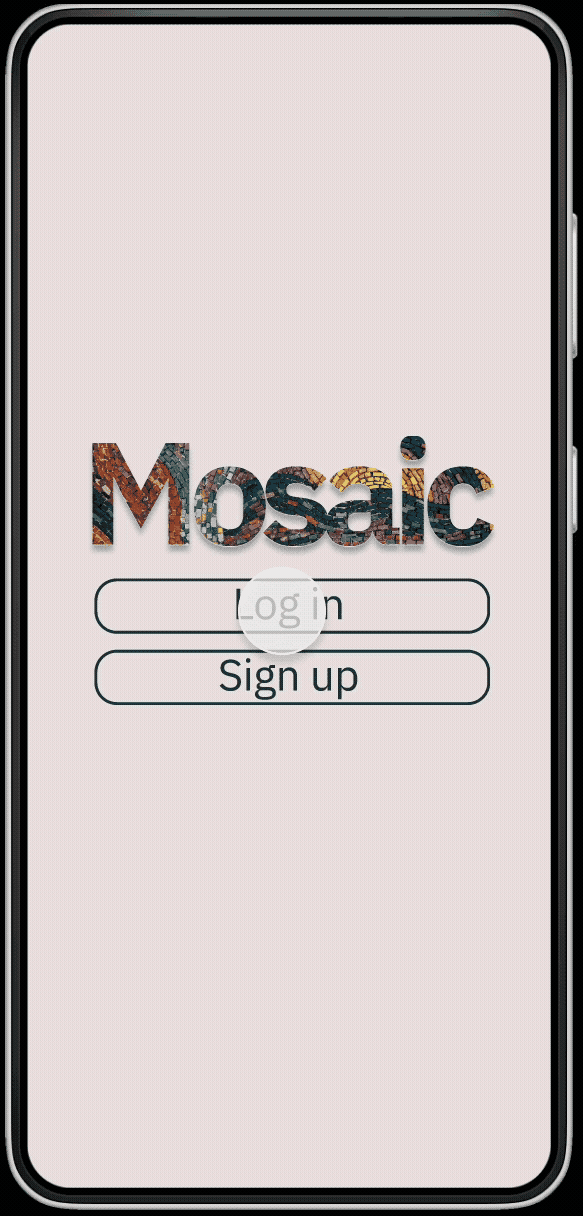
The team developed iterative Figma prototypes that evolved from low-fidelity wireframes to a beta version. Each iteration incorporated user feedback and heuristic evaluation results.
Usability Testing & Evaluation
Positive Feedback:
Users appreciated the freedom to create forums, including the ability to post anonymously.
Enjoyed external calendar integration for events.
Found the resource guide with wellness contacts useful and easy to navigate.
Pain Points:
Some forum screens were unfinished, causing confusion during tasks.
Lack of confirmation messages after completing actions (e.g., creating reminders).
No back or exit button for easy navigation.
Iterations and Updates
Based on testing insights, several design improvements were made:
Added titles to screens for better orientation.
Implemented back buttons and improved clickable areas for intuitive navigation.
Introduced confirmation pop-ups for user actions (e.g., creating reminders, joining forums).
Final Evaluation
Successes:
Highly learnable and efficient for forum creation and interaction.
Visually appealing, community-centered interface.
Challenges:
Some inconsistencies in button linkage and feedback cues remained.
Needed simplified navigation layers for faster access.
Recommendations:
Expand clickable icons for accessibility.
Add more wellness-focused icons and section descriptions.
Improve consistency across screens to reduce user friction.
Outcomes & Learnings
Designing for cultural inclusivity requires balancing universal UX principles with identity-specific needs.
Community features can serve both wellness and belonging outcomes when thoughtfully moderated.
Small feedback elements (like confirmation messages and navigation aids) dramatically impact user confidence.
Future Directions
Integrate journaling tools.
Expand cross-campus connectivity for regional student-of-color networks.
Conduct accessibility testing for color contrast, readability, and screen-reader compatibility.
Conclusion
Mosaic embodies a digital space for wellness, connection, and empowerment among students of color. Through iterative design and user-centered thinking, the app highlights how inclusive design can nurture both individual well-being and collective belonging within academic environments.